If you want straight talk about how a 24-hour mobile locksmith works around Orlando, read on for field-tested tips. After responding to hundreds of calls in neighborhoods near downtown Orlando, I can offer clear guidance about response times, pricing, and service quality. When you need help fast, check a local listing and compare credentials, and if you want a quick place to start try emergency locksmith services Orlando for availability and contact options. This article covers how mobile locksmiths operate in Orlando, what to expect in an emergency, common pricing and safety tips, and how to choose a reliable technician.
How on-site locksmiths manage emergency jobs
A traveling locksmith balances incoming calls, traffic, and supply needs, which changes arrival windows more than a fixed shop would. Most reputable services triage emergency calls so that a house with small children or an injured person gets higher priority than a non-urgent car lockout. Plan around likely delays and ask for a realistic range rather than a single minute estimate.
What tools and parts a mobile locksmith brings
Good vans carry replacement hardware for common residential and automotive locks, plus adhesives, lubricants, and basic carpentry tools for minor repairs. For cars, telling the operator the exact make, model, and year trims the guessing and lets them bring the right transponder key tools. When replacement parts are required outside the van's stock, you should get a clear quote for parts and labor before work begins.
How pricing usually breaks down for emergency locksmith calls
Ask for a breakdown when they give a quoted price so you can see the call-out, labor, and parts components. Simple unlocks for houses or cars are typically less expensive than rekeying or installing new locks, and electronic or high-security cylinders cost more to replace. When paying, request a receipt showing the service details, parts used, and warranty terms for any replacements.
How to vet a locksmith over the phone and at the door
If anything feels off, call the number you found online or request additional identification; a real locksmith will not be offended by central Florida locksmith verification. Some legitimate sole proprietors work from unmarked vehicles, but they will still provide verifiable contact details and a receipt with tax information. Trust your judgment; a professional locksmith expects you to confirm identity and welcome the transparency.
When rekeying makes sense and when it does not
Rekeying replaces internal pin arrangements so a new key works while the old key no longer does, and it is often cheaper than replacing the whole lockset. But if existing hardware is damaged or uses obsolete parts, the tech will advise replacement rather than rekeying for reliability. Electronic locks change the conversation because reprogramming credentials can replace rekeying, and some smart locks require different expertise and tools.
Techniques used and why they choose them
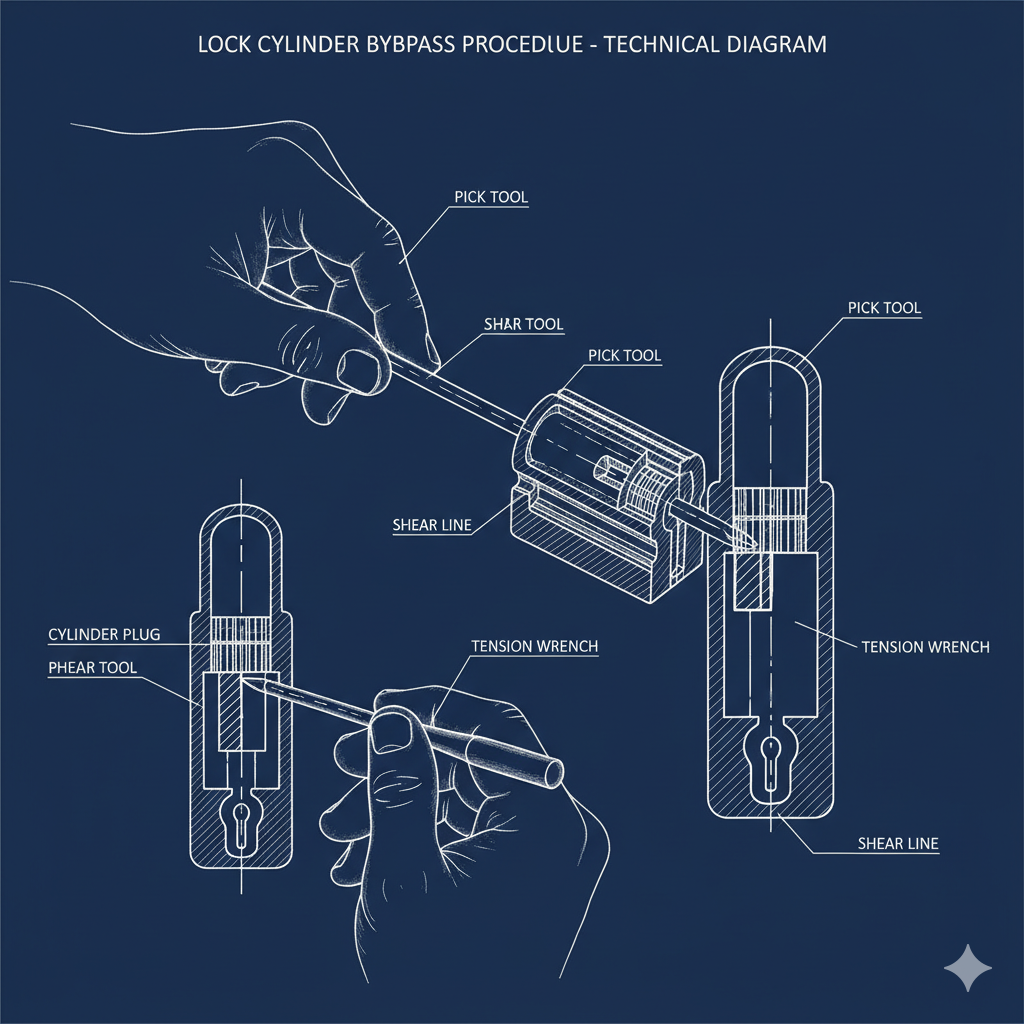
Technicians try non-destructive methods first, using picks, wedges, slim jims, or long-reach tools depending on the vehicle or door type. With cars, modern anti-theft systems complicate entry, and some models require special training to avoid triggering alarms or damaging electronics. A careful technician will show you the extracted piece and explain whether the lock will survive reuse or needs a new cylinder.
Choosing between a chain, deadbolt, or smart lock after an emergency
A chain offers minimal security benefits and is mostly useful for a short-interval safety check; it does not substitute for a secure strike and bolt. If you rent or are on a tight budget, rekeying and installing a basic ANSI Grade 2 deadbolt often hits the balance between cost and security. A locksmith who cares about quality will check the door alignment and adjust or shim the frame if necessary to ensure the new lock functions reliably.
Questions to ask the technician
If you can, take a photo of the lock or the vehicle's keyway and send it when you first call so the dispatcher can match you with a technician who carries the right parts. Ask the technician for a written estimate before any irreversible work begins and request the make and model of any replacement hardware they propose to use. If you have pets or children, secure them away from the work area; technicians appreciate unobstructed access and fewer distractions for safety.
Warning signs and preventative steps
Always get a written or verbal estimate and a receipt, and call the company number you found online if something seems inconsistent. Another red flag is a tech who refuses to identify their company or who gives different business names across interactions, because legitimate businesses maintain consistent branding. A good locksmith expects verification and will be cooperative; a pushy or evasive operator is not worth the risk.
Examples from real calls
If your job involves restricted keyways, patented keys, or complex electronic access systems, ask whether the on-call technician has the required specialization. When in doubt, describe the equipment as fully as possible and request a specialist or a callback with the right technician assigned. A reputable dispatch will tell you if the on-call tech cannot service a specific brand or device and will offer to connect you with a partner who can handle the work.
Maintenance tips and small investments that pay off
Lubricate locks annually with a dry graphite or silicone product, and avoid oil-based sprays that attract dust and gum up the pins. Monitor outdoor hardware for rust or corrosion and replace exposed cylinders before they seize in humid Florida weather. If you install smart locks, set up backup mechanical keys and keep firmware current while noting battery change intervals so access is not interrupted unexpectedly.
Final practical checklist before you call a mobile locksmith
Ask for the technician's name, estimated arrival range, and a price breakdown before you agree to the service. If you live in a gated community, have a gate code or call management ahead of time to avoid delays once the van arrives. A calm, prepared caller usually gets faster help and clearer pricing, and technicians appreciate concise directions that let them focus on the work.
A little pre-call research reduces the odds of an expensive or rushed job. Keep a list of trusted contacts if you move frequently or travel across Orlando neighborhoods, and update that list after a satisfactory service visit.
If you follow credential checks, request clear estimates, and keep maintenance on a schedule, you will reduce late-night surprises and unnecessary replacements.